




4 Rules for Maintaining an Autoclave
 How does an autoclave work?
 Care and Maintenance

Products for Autoclaving:
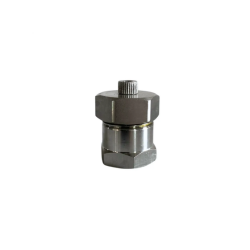
-250x250.webp "Autoclave Twist-Off Lid")

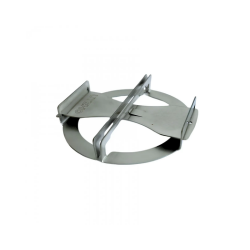
Watch the video:
Caring for Your Autoclave
An autoclave is an indispensable device for home canning and commercial production of preserves. But how do you properly maintain an autoclave to ensure it works efficiently for decades? It's simple! Follow basic care and maintenance rules. This article outlines 4 rules to help your autoclave remain functional and work effectively without issues.
1. Timely Replacement of the Gasket
How to replace the gasket?
- Remove the old gasket.
- Clean the installation area.
- Install the new gasket.
.png)
2. Reducing the Impact of Hard Water
Hard water leads to:
- Reduced heating efficiency.
- Increased heating time.
- Shortened lifespan of the heating element and the autoclave itself.
- Stainless steel: more resistant to acids, allowing slightly higher concentrations.
- Carbon steel: less resistant, requiring careful selection of concentrations to avoid corrosion.
.png)
3. Cleaning After Use
After each use:
- Rinse the internal surfaces with water.
- Remove any food residues and condensate.
- Wipe the autoclave dry with a cloth both inside and outside.
.png)
4. Checking the Functionality of All Components
- Thermometer: Incorrect temperature readings can affect sterilization quality.
- Valves: Ensure pressure regulation; valve malfunctions can disrupt the autoclaving process and lead to safety issues.
- Thermostat: Responsible for maintaining accurate temperature settings during autonomous operation.
.png)
How to Use an Autoclave?
Household autoclaves are safe, affordable, easy to use, and energy-efficient devices that can significantly simplify the canning process.
Want your autoclave to last long? By following these four simple rules, you can ensure your device's uninterrupted operation for decades. Remember, we offer free diagnostics for autoclaves we manufacture, as well as maintenance and restoration services. Watch our videos to learn more or contact our specialists for advice.
20.11.2024



Reviewed by: UTEHO Technical Department Specialists
UTEHO Expert Editorial Team
The UTEHO team develops autoclaves and accessories for home food preservation. All informational articles, guides, and recommendations are tested in real UTEHO autoclaves before publication.
Our content is based on practical experience, technical expertise, recommendations from UTEHO engineers and technologists, as well as feedback from our customers.
UTEHO
Subscribe to our YouTube channel to stay up to date with new videos, practical autoclaving tips, and reliable recipes for home food preservation.