
Work from 08:00 until 20:00
All days. No weekends! Call now!
" />
Myths About Autoclaves
                 

Myths About Autoclaves

  • Icon How does the autoclave work?
  • Icon Debunking Myths

Autoclave Products:

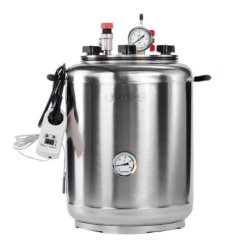
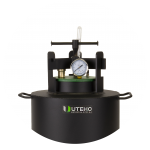
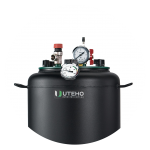
Autoclave "A16 electro" (Universal)

Autoclave "A16 electro" (Universal)
11300 UAH
More details
Buy

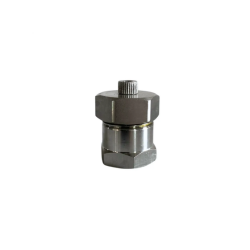
Steam valve

Steam valve
600 UAH
More details
Buy

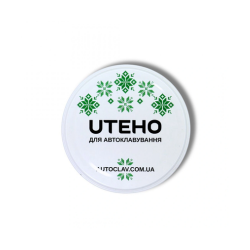
Autoclave Twist-Off Lid

Autoclave Twist-Off Lid
420 UAH
More details
Buy

Seaming lid SKO 82 mm (50 pcs)

Seaming lid SKO 82 mm (50 pcs)
300 UAH
More details
Buy

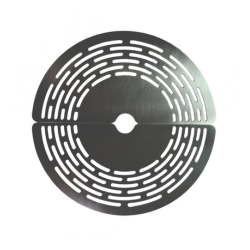
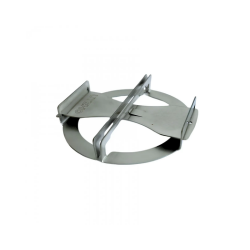
Partitions for jars and retort pouches

Partitions for jars and retort pouches
500 UAH
More details
Buy

Clamps for SKO lids "for steam" 10 pcs

Clamps for SKO lids
400 UAH
More details
Buy

Watch the video:

Myths about Autoclaves

There are many myths surrounding household autoclaves. Working with an autoclave might seem complex or even dangerous, but in reality, it is not. Let's look at the most common misconceptions, and you will be surprised at how much false information exists about these preservation devices. Let's begin!

Myth 1: Autoclaves are dangerous and can explode

Working with pressure and not understanding the basics of physics creates the fear that an autoclave could explode. This myth stems from the fear that if you make a mistake while working with an autoclave, it will end quite loudly. However, this is a misconception. Modern autoclaves are equipped with a special emergency valve set to 6 atm, ensuring your safety.
Uteho autoclaves have an emergency valve, and if the pressure exceeds the normal range and something goes wrong, the valve automatically activates, releasing excess steam and preventing the physical destruction of the autoclave body. So, if you follow the instructions, using an autoclave is completely safe. For those still unsure, we recommend watching a video where our autoclaves were tested at the Paton Institute. The pressure was raised to 30 atm, and the autoclave withstood the test! Link to the video here.

Myth 2: Autoclaves are too expensive

Many people believe that autoclaves are very expensive. But this is only partially true. Indeed, there are models with a high price due to their size, materials, and additional features. However, there are many budget options available. For example, a gas autoclave made of black metal is an excellent choice for those looking for an affordable option that performs all necessary functions.
An additional saving when buying an autoclave is that its use allows you to save on purchasing ready-made canned foods. If you regularly prepare homemade preserves, over time, the autoclave will pay for itself. By using an autoclave, you not only save money but also gain confidence in the quality and composition of your products, knowing exactly what your preserves are made from and that they do not contain harmful preservatives.

Myth 3: Using an autoclave is too complicated

Some people think that using an autoclave requires special knowledge and a lot of time. In reality, modern household autoclaves are maximally simplified, and their use takes minimal time and effort. The design of autoclaves is clear, and preparation for operation is extremely simple: fill the jars with products, set the necessary mode, and the autoclave will do everything for you.
Using euro-lids removes the need to pump up the starting pressure, and additional accessories such as dividers, clamps, loaders, and steam valves make the process even more convenient. You can find all these products on our website in the section "all for canning".

Myth 4: An autoclave is only for making canned meat

There is a misconception that autoclaves are only intended for making canned meat, such as stew. But that is not true! Autoclaves are versatile devices that can preserve anything. On our YouTube channel and in the "Recipes" section on the website, you will find many options, not just for meat dishes, but also for other recipes prepared in an autoclave:
  • vegetables,
  • fruits,
  • jams,
  • compotes,
  • cereals,
  • soups.
Autoclaving technology allows these products to be stored for a long time without losing their taste and nutritional value. An autoclave ensures that you always have a stock of delicious and healthy food on hand.

Myth 5: Autoclaves consume a lot of energy

Another misconception is that autoclaves consume a huge amount of electricity. This can be off-putting, especially in times of resource conservation. However, the reality is quite different.
Electric models of autoclaves consume electricity only during the heating phase. Once the autoclave reaches the necessary temperature, the device switches to temperature maintenance mode, which requires minimal energy. This saves not only electricity but also time. Gas autoclaves are completely independent of the electrical grid and are very economical to use. If you're unsure about the choice, we recommend selecting a universal model of autoclave, which can work both with electricity and gas.

Debunking Myths about Autoclave Operation

So, household autoclaves are safe, affordable, easy to use, and energy-efficient devices that can significantly simplify the canning process.

If you have any remaining questions or know of other myths you'd like to debunk – leave them in the comments. Watch the video to learn more useful information about autoclave operation.

UTEHO Editorial Team
Author: UTEHO Editorial Team
Reviewed by: UTEHO Technical Department Specialists

UTEHO Expert Editorial Team

The UTEHO team develops autoclaves and accessories for home food preservation. All informational articles, guides, and recommendations are tested in real UTEHO autoclaves before publication.

Our content is based on practical experience, technical expertise, recommendations from UTEHO engineers and technologists, as well as feedback from our customers.

Practically tested in UTEHO autoclaves
Reviewed before publication
Content is regularly updated
UTEHO YouTube Channel
Our YouTube Channel

UTEHO

Subscribe to our YouTube channel to stay up to date with new videos, practical autoclaving tips, and reliable recipes for home food preservation.