




Comparison of Water and Steam Autoclaving Modes
 Steam / Water?
 Autoclaving Methods
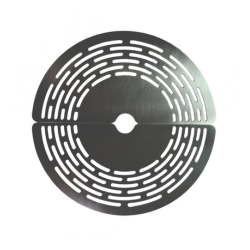
Products for autoclave cooking:
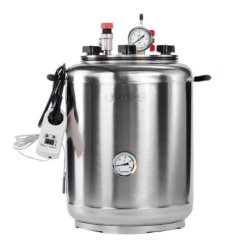
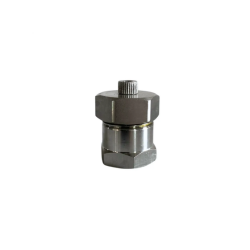
-250x250.webp "Autoclave Twist-Off Lid")
Watch the video:
Steam or Water: Which Autoclaving Method Is Better?
Which is better: classic autoclaving in water or sterilization in steam mode? Both methods have their advantages, but it is important to understand their differences to choose the best option for you.
Autoclave Configuration
.jpg)
Water Volume in Different Modes
.jpg)
Working Temperature and Pressure
.jpg)
Finished Product Quality
.jpg)
What Containers Can Be Used?
- glass jars with SKO or twist-off lids;
- tin cans;
- retort pouches.
- only glass jars with twist-off lids can be used;
- retort pouches — not suitable;
- SKO lids can be used only with additional clamps.
.jpg)
Which Mode to Choose?
The classic water autoclaving method is universal, reliable, and compatible with any container. It does not require additional equipment, is suitable for all types of products, and remains the most popular preservation method.
But the steam autoclave is a modern alternative with lower pressure, better product quality preservation, and a faster process. If you want to reduce the load on the autoclave and are ready to experiment with new approaches — try steam cooking.
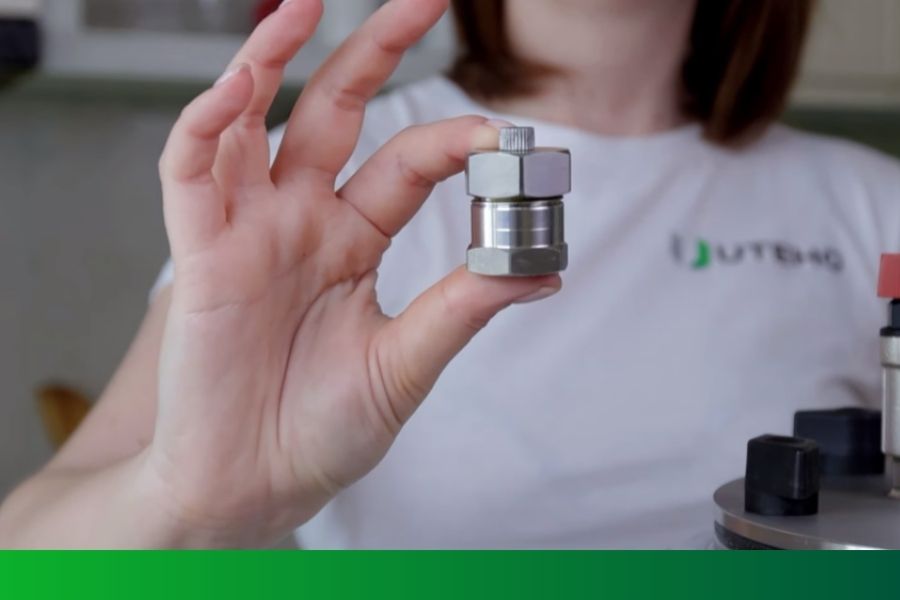
UTEHO offers autoclaves that support both water and steam modes. Our store sells not only autoclaves but also everything needed for convenient preservation: tongs, steam valves, clamps, jar dividers, and recipe collections.
Cook safely, quickly, and conveniently — together with UTEHO!
31.07.2025



Reviewed by: UTEHO Technical Department Specialists
UTEHO Expert Editorial Team
The UTEHO team develops autoclaves and accessories for home food preservation. All informational articles, guides, and recommendations are tested in real UTEHO autoclaves before publication.
Our content is based on practical experience, technical expertise, recommendations from UTEHO engineers and technologists, as well as feedback from our customers.
UTEHO
Subscribe to our YouTube channel to stay up to date with new videos, practical autoclaving tips, and reliable recipes for home food preservation.