
Work from 08:00 until 20:00
All days. No weekends! Call now!
" />
How to Properly Seal Retort Pouches?
                 

How to Properly Seal Retort Pouches?

  • Icon How does the sealer work?
  • Icon Preserving in retort pouches

Accessories for Autoclaving:

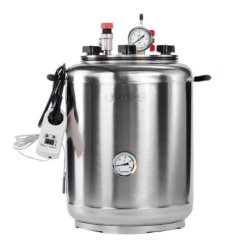
Autoclave "A16 electro" (Universal)

Autoclave "A16 electro" (Universal)
11300 UAH
More details
Buy

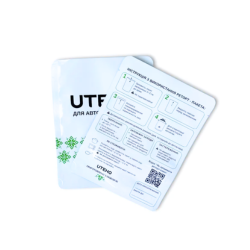
Doy-pack RETORT 160x210x41 GREEN 130 microns (for sterilization in an autoclave) 50 pcs.

Doy-pack RETORT 160x210x41 GREEN 130 microns (for sterilization in an autoclave) 50 pcs.
550 UAH
More details
Buy

Sealer for retort packages

Sealer for retort packages
2600 UAH
More details
Buy

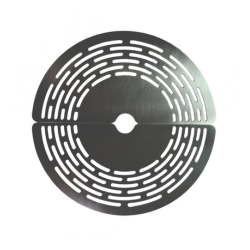
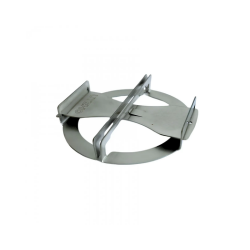
Partitions for jars and retort pouches

Partitions for jars and retort pouches
500 UAH
More details
Buy

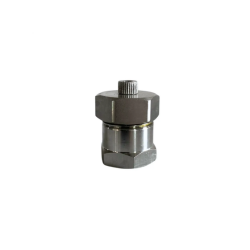
Steam valve

Steam valve
600 UAH
More details
Buy

Clamps for SKO lids "for steam" 10 pcs

Clamps for SKO lids
400 UAH
More details
Buy

Watch the video:

Retort Pouch Sealer

Sealing retort pouches is a key process to ensure airtight packaging and long, safe storage of products without the risk of spoilage.

The pouch sealer requires precision in operation, as it is a process that demands special attention. To achieve the right preservation results, it is necessary to know all the details of working with this device: how to properly prepare the pouches and how to choose the optimal sealing settings. 

What are Retort Pouches and Why Should You Use Them?

Retort pouches are a great alternative to heavy glass or metal jars. Unlike glass containers, which can easily break and spoil, these pouches for canning don't require special handling. They are compact, lightweight, and ideal for autoclaving. For long-term storage of food prepared in a retort pouch, it is important to ensure airtightness, and this is where the pouch sealer comes in handy.

How Does the Sealer Work?

The manual pouch sealer has a metal body and a wooden handle. It needs to be plugged into the power supply for operation. The sealer creates a neat, airtight, crimped seam on the pouch. For the sealer available on our website, the seam width is 16 mm, and the length is 330 mm. The heating temperature can be adjusted from 40 to 150 degrees Celsius, and the sealing time ranges from 1 to 8 seconds depending on the thickness of the pouch material.

Preparation for Work

Before starting work, connect the sealer to the power supply and set the desired temperature. Wait until the device heats up to the set temperature. For retort pouches, which are quite thick, it is usually necessary to set a medium or high temperature and seal the pouch for 3 to 5 seconds.

Sealing Process: 1 - Preparing the Package.

Fill the retort pouch with the product and remove any excess air. Excess air can negatively affect the seal. It is recommended to leave the top of the package clean and dry for sealing. 

Sealing Process: 2 - Positioning the Package.

Evenly place the edge of the package along the seam in the sealer. The package has special notches for opening, which can help you position it correctly.

Sealing Process: 3 - Sealing.

To start the sealing process, press down on the handle of the sealer and clamp the edge of the package. Count the required time (from 1 to 8 seconds), depending on the temperature and material thickness. After sealing, remove the package and check the seam. It should be even and strong to ensure the integrity of the package and safe storage of the preserved food.

Advantages of Using a Sealer

The sealer provides a reliable seam on retort pouches, ensuring long-term storage of your products. Canning in retort pouches simplifies the process and makes it more convenient, as such pouches are easy to take on trips and in the field.


Avoid Problems with Autoclaving by Following Our Tips! 

Sealing retort pouches is actually a simple but important process. Use our tips and instructions to ensure the packaging is sealed tightly, and enjoy delicious preserves prepared in the autoclave.

UTEHO Editorial Team
Author: UTEHO Editorial Team
Reviewed by: UTEHO Technical Department Specialists

UTEHO Expert Editorial Team

The UTEHO team develops autoclaves and accessories for home food preservation. All informational articles, guides, and recommendations are tested in real UTEHO autoclaves before publication.

Our content is based on practical experience, technical expertise, recommendations from UTEHO engineers and technologists, as well as feedback from our customers.

Practically tested in UTEHO autoclaves
Reviewed before publication
Content is regularly updated
UTEHO YouTube Channel
Our YouTube Channel

UTEHO

Subscribe to our YouTube channel to stay up to date with new videos, practical autoclaving tips, and reliable recipes for home food preservation.